
Population Health
Detect cholesterol, protect the heart
How can previously undetected cholesterolrisks in everyday clinical practice and provide targeted further treatment? This study develops and tests a structured prevention approach in inpatient care.
Why cholesterol deserves more attention

Cardiovascular diseases are the leading cause of death worldwide—and also in Germany. A key but often underestimated risk factor is high LDL cholesterol levels, known as "bad cholesterol."
Despite the great importance of this value, it often remains undetected or untreated in routine clinical practice. Yet targeted therapy could significantly reduce the risk of heart attacks and other cardiovascular diseases.
Friede Springer – Cardiovascular Prevention Center Friede Springer Cardiovascular Prevention Center wants to start right here with its project: prevention should not begin after discharge, but directly in the hospital – where people are already in contact with the healthcare system.
What goals we pursue
The aim of the project is to identify patients with significantly elevated, previously undetected LDL cholesterol at an early stage, educate them, and guide them toward the right treatment.
With this, we would like to:
-
reduce the number of unreported cases of undiagnosed high-risk patients,
-
integrate a structured, preventive approach into inpatient care,
-
and improve the long-term heart health of many people.
The project thus contributes directly to the Charité Strategy 2030 , which aims to develop interdisciplinary prevention strategies for broad population groups.
How prevention begins in the clinic
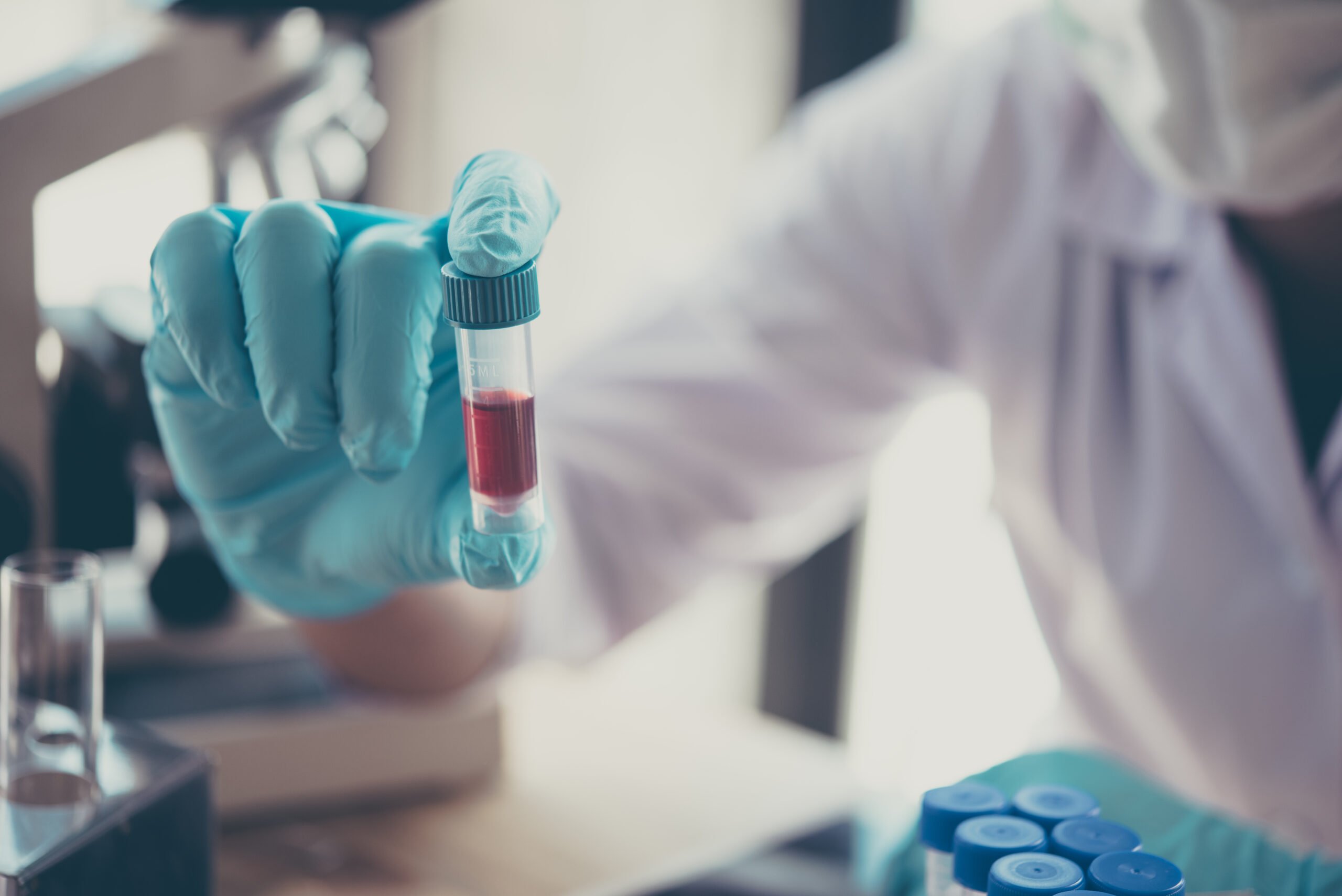
As part of the project, inpatients at Charité who are having blood taken anyway will also be tested for LDL cholesterol and lipoprotein(a) .
-
Doctors receive a daily overview of abnormal values.
-
Those affected will be informed and advised directly by study physicians on the ward.
-
The optimal treatment is discussed and, if necessary, initiated immediately.
-
The discharge letter documents the findings and recommendations so that family doctors are also kept informed.
-
In cases of particularly high values (>190 mg/dl), an appointment is automatically made at the Lipid Clinic at Charité – Benjamin Franklin Campus is automatically made.
Each patient also receives informational materials and a lipid target value card,to help them monitor their personal therapy over the long term.
What we have already achieved
Even during the pilot phase, it became clear how well the concept was being received—by doctors, nurses, and the patients themselves.
The project is now running successfully at several Charité hospitals. The results so far show that:
-
Many high-risk patients could be identified for the first time.
-
Lipid-lowering therapy was optimized in numerous patients.
-
The feedback from everyday clinical practice has been consistently positive.
An expansion to additional stations and locations is in preparation.
Prof. Elisabeth Steinhagen-Thießen, Study Director
Dr. Nagi Elleisy, Study Physician
Arda Yaycioglu
In collaboration with NOVARTIS
More information
- Understanding fat metabolism – What you should know about blood lipids
- What elevated LDL cholesterol means – What you can do about it
- Elevated lipoprotein (a) – It's your move